
 Back
Back10 Tips To Help You Prepare for a Job Interview
Congrats on landing that interview!
How are you feeling—excited, nervous, maybe a mix of both? Whatever you're feeling, you're not alone. It’s totally normal to have a range of emotions, but with these 10 tips, you’ll feel more confident and prepared for your upcoming interview.
- Know yourself & what you will bring to the role
- Come prepared for key questions
- Practice with a friend or family member
- Research the organisation
- Review the position description
- Dress appropriately
- Be on time and organised
- Maintain positive body language
- Prepare questions to ask
- Follow up after the job interview
- FAQs
Tip 1 - Know yourself & what you will bring to the role
Start by celebrating that you've been invited to an interview. Out of possibly hundreds of applicants, they’re interested in you! Now it’s time to show them what you can bring to the table.
Know your strengths, weaknesses, skills and achievements, and have examples ready that relate to the role. For example, if you say you’re good at teamwork, make sure to provide a real-life example. If you’re unsure of what your strengths are, you could ask your teachers, colleagues, family, Elders, or friends—they can often help you see things you might miss. It can also be helpful to hear about your areas for improvement and be prepared to discuss them during the interview.
If you don’t have formal work experience yet, don’t worry! You can still talk about experiences from school, sports, music, community activities, or even family commitments like caring for younger siblings. These show valuable skills like adaptability, leadership, and problem-solving. For those who feel comfortable, sharing a bit about your personal background—including cultural or life experiences—can be a great way to highlight your unique perspective and the strengths that come with it. Whether it’s resilience, creativity, or the ability to connect with diverse people, these qualities can help you stand out in a meaningful way. Even though it might feel strange talking about yourself like this, being able to reflect on your strengths and weaknesses is something employers really appreciate.
Tip 2 - Come prepared for key questions
While you can’t predict exactly what will be asked in an interview, practising your responses can help you feel more confident. Start by going over common questions like, "Tell me about yourself" and "What are your strengths?". To get you started, we’ve compiled a list of common interview questions.
It’s also helpful to practice answering more unexpected questions, like "What are your salary expectations?" or behavioural questions that ask you to describe specific scenarios. Preparing examples of transferable skills—like teamwork, communication or problem-solving—can make it easier to show how your experiences fit the role. Be ready to address any gaps in your resume or application, too. It’s okay to have gaps but be prepared to explain them honestly—whether you were studying, travelling or focusing on personal development—and highlight what you learned during that time.
Just remember, you can’t prepare for everything, and that’s okay! Every interview is different and trying to over-prepare might leave you feeling more stressed. Focus on practising enough to feel confident, but stay flexible and open to whatever comes your way.
Tip 3 - Practice with a friend or family member
Practice makes perfect! Whether it’s a casual or formal interview, running through common questions with someone you trust can help you feel more confident. Try timing your responses to make sure you’re giving complete answers without going overboard.
If possible, practice with someone who has experience in hiring or interviews—they’ll be able to give you genuine, helpful feedback. You could even record yourself during the practice so you can listen back to see how clearly you communicate your thoughts. Sharing the recording with others for additional feedback can give you a fresh perspective too!
Tip 4 - Research the organisation
Before your interview, spend some time learning about the organisation. Check out their website, social media, or search for news articles online to understand what they do. This shows you’re interested and have put in some effort.
Look into the company’s mission, values and culture, but don't feel like you have to memorise every detail. Knowing what interests you about the company will help you explain why you want the job.
If you can, find out who’s interviewing you— this can help you build rapport and might make the interview more comfortable.
For anyone, especially those from First Nations, multicultural, or LGBTQIA+ communities, it’s worth checking how the organisation supports inclusion and wellbeing. Look for things like diversity policies, cultural safety measures, or visible signs of inclusion, such as Acknowledgement of Country plaques, pride flags, or diversity networks. These can give you a sense of whether the workplace will feel safe and supportive for you.
Tip 5 - Review the position description
Before your interview, it’s helpful to carefully review the position description, your cover letter and the key selection criteria. This will help you prepare for common questions like:
• Why are you interested in this role?
• What made you want to apply?
• What do you find exciting about this position?
Make sure the way you present yourself in person aligns with the tone of your resume and the language used in your application. Be honest and genuine in your responses—your enthusiasm for the role and the company can make a real difference.
If you come across any industry terms or language in the job ad that you're unfamiliar with, don't hesitate to ask for clarification during the interview. This shows you're willing to learn, and helps you connect more easily with the interviewer.
Tip 6 - Dress appropriately
Different organisations have different dress codes, so you could check out their website or social media (like LinkedIn) to get a feel for their style, whether it’s business corporate or casual. If you know the type of interview (formal, informal or online), this can also help you dress the part.
No matter what you wear, make sure it’s something that’s comfortable and feels like you. Dressing for the job is important, but being confident in what you're wearing matters too.
For online interviews, dressing as you would for an in-person meeting can help you feel more prepared and professional. Youth Central and SEEK also have some great information on what to wear to an interview.
Tip 7 - Be on time and organised
Showing up on time and being prepared sends a great message to the employer about your attitude. Plan your journey in advance – check parking, public transport options and how long it takes to get there. It could also be helpful to do a ‘test run’ before the interview if possible, especially if the business is in an area that is unfamiliar to you. Aim to arrive about 10-15 minutes early (but not too much earlier than that!). If it's an online interview, test your video, mic and internet connection, and let others in your home know you'll need a quiet space during your interview.
It’s also a good idea to know how much time you’ll have for the interview, so you can plan accordingly. If you arrive early, use the extra time to review your notes or to take in the environment. Make sure you're polite to everyone you meet – you never know who might have a say in the hiring process! Once you’re at the interview location, be mindful of your surroundings as you’re often being observed from the moment you walk in the door.
Lastly, don't be afraid to ask questions before the interview about who will be there or what type of interview it is. If you need to reschedule, just ask – it’s better to be upfront.
Tip 8 - Maintain positive body language
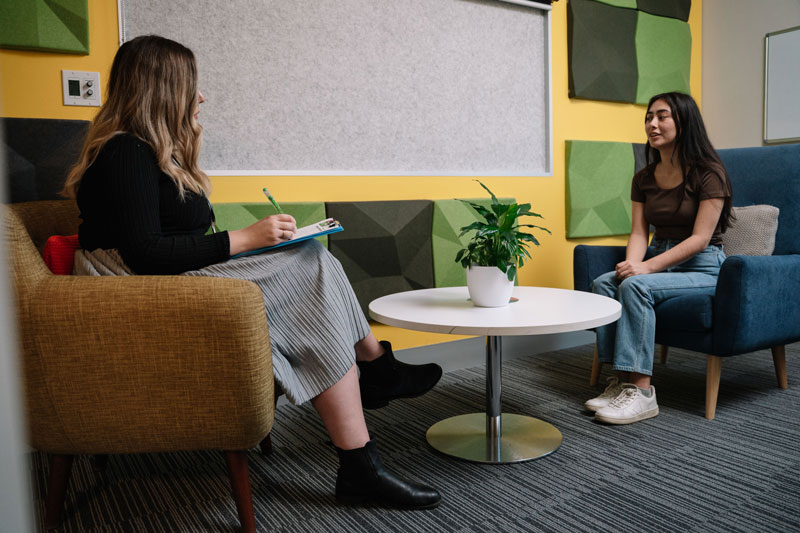
The way you present yourself can have a positive impact in an interview. Offering a friendly smile and, if you're comfortable, a handshake can help create a welcoming first impression, though handshakes are not always expected these days. During the interview, you can demonstrate positive body language by sitting up straight, unfolding your arms, listening attentively and maintaining eye contact where appropriate (e.g. when someone is talking to you). If eye contact feels challenging, it’s okay to look away briefly to gather your thoughts. Positive body language can show the interviewer that you’re engaged in the conversation and genuinely interested in the opportunity.
Tip 9 - Prepare questions to ask
An interview is a two-way street: it’s not just about them learning about you, but also about you discovering if this role and the company are the right fit for you. Before the interview, think of at least one or two questions to ask. This shows your interest and helps you get a clearer picture of what to expect.
Here are some questions you might consider asking:
• What does a typical day look like in this role?
• Can you describe the team or work culture here?
• What are some challenges I might face in this position?
• What are the next steps in the hiring process?
• What does the ideal candidate for this position look like to you?
Avoid asking questions that you can find in the position description and use this chance to get a deeper understanding of the role and the company.

A question that a lot of people ask is, ‘is it appropriate to ask about the salary?’.
Asking about salary during an interview can be a bit tricky and depends on the stage of the interview process. It’s generally better to wait until later in the interview process to discuss salary. Early interviews should focus on your fit for the role and the company’s expectations.
If you’re invited back for a second or final interview, it’s more appropriate to bring up salary expectations then. If the interviewer brings up salary or compensation first, be ready to discuss your expectations. Otherwise, you can ask about it when the role and responsibilities are clearer.
Tip 10 – Follow up after the job interview
After your interview, you could consider sending a thank-you email within 24 hours. This shows appreciation for their time, keeps you fresh in their mind, and reinforces your interest in the role. If you haven’t heard back after 5-7 days, a polite follow-up can be helpful. When you do reach out, ask for feedback on how you interviewed and be open to constructive criticism, as it can provide useful insights for future interviews. Keeping the conversation positive is key, as you never know what opportunities may arise down the track.
If you weren’t selected this time, the employer might keep your application on file for future opportunities. If it’s a company you’re really interested in, set a time to check in again later. Sometimes, the first-choice candidate may decline the offer, and following up could put you next in line.
We know everyone’s experiences are different, and preparing for an interview can feel challenging for many reasons. Whether you need help with general tips or support tailored to your cultural or personal needs, headspace is here to guide you every step of the way.
The most important thing is to relax, smile, and be yourself! Employers will see your passion for the role if you are being genuine and authentic!
Good Luck! You’ve got this.
Source: Headspace